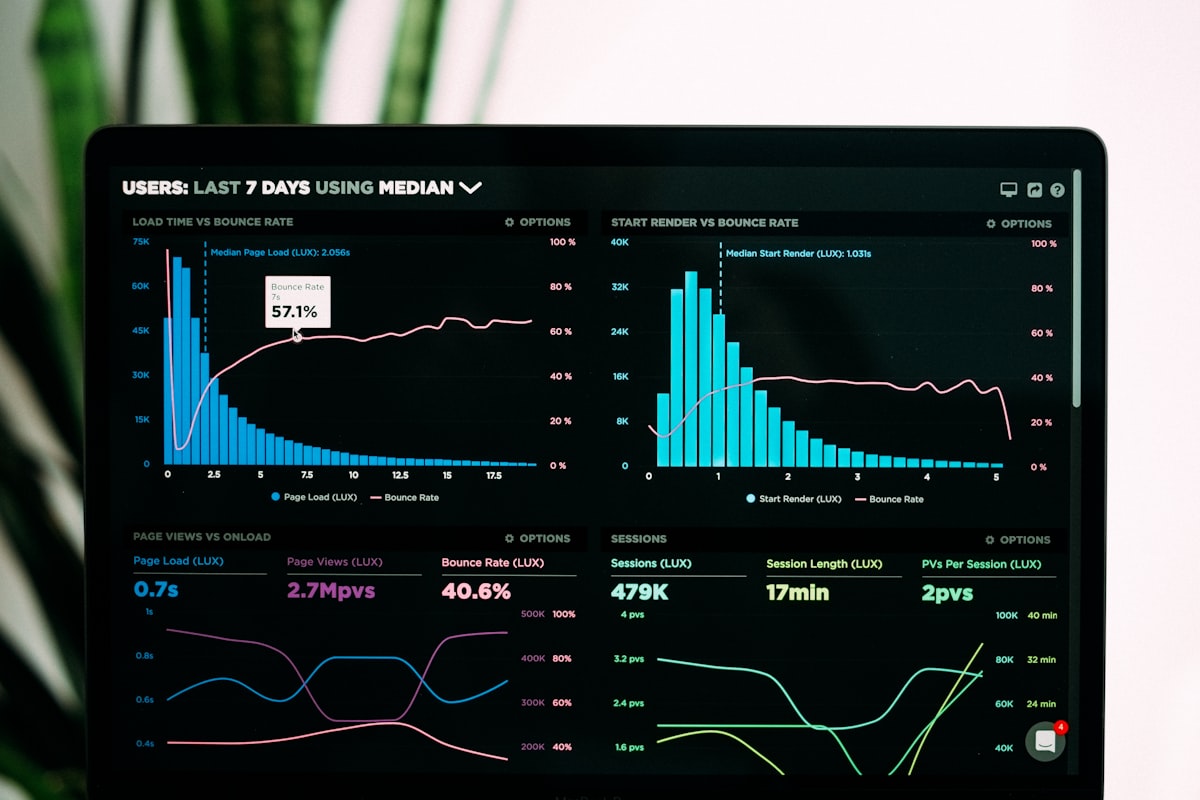
Explore the key trends shaping the security industry in 2025, from AI integration to mobile-first solutions.
The security industry is evolving rapidly. In 2025, we expect to see increased adoption of AI, mobile-first solutions, and integrated compliance management that will transform how security services are delivered and managed.
The security industry is at an inflection point, with technology adoption accelerating and operational models evolving. Several key trends are shaping the industry's future, and security companies that embrace these trends will gain significant competitive advantages.
AI and Automation: Artificial intelligence is transforming security operations, from intelligent scheduling that optimizes staffing to predictive analytics that identify potential issues before they occur. AI-powered systems can analyze vast amounts of data to identify patterns, optimize operations, and improve decision-making. Security companies that adopt AI early will operate more efficiently and provide better service.
Mobile-First Operations: The shift to mobile-first operations is accelerating, with security companies recognizing the benefits of mobile technology for field staff. Mobile apps enable real-time communication, digital documentation, and instant access to information, improving efficiency and service quality. This mobile-first approach is becoming essential for competitive security operations.
Integrated Compliance Management: Compliance management is becoming increasingly complex, with multiple standards, regulations, and requirements. Integrated compliance management systems that automate checks, track requirements, and ensure continuous compliance are becoming essential. Security companies that automate compliance management reduce risk and administrative burden.
Data-Driven Operations: Security companies are increasingly using data analytics to optimize operations, improve service delivery, and demonstrate value to clients. Analytics platforms that provide insights into operations, performance, and costs are becoming standard tools for security management.
Cloud-Based Solutions: The shift to cloud-based solutions is accelerating, with security companies recognizing the benefits of scalability, accessibility, and reduced IT overhead. Cloud platforms enable security companies to scale operations, access systems from anywhere, and reduce infrastructure costs.
Real-Time Visibility: Real-time visibility into operations is becoming essential, with clients expecting transparency and accountability. Systems that provide real-time tracking, reporting, and communication are becoming standard requirements for security contracts.
Integration and Interoperability: Security companies are operating in increasingly complex technology environments, with multiple systems and platforms. Integration and interoperability are becoming critical, with security management systems needing to work seamlessly with access control, visitor management, and other systems.
Focus on Efficiency: Cost pressure is driving focus on operational efficiency, with security companies seeking ways to reduce costs while maintaining or improving service quality. Technology solutions that automate processes, optimize operations, and reduce administrative overhead are in high demand.
These trends represent significant opportunities for security companies that embrace technology and innovation. ProRota is at the forefront of these trends, providing the tools and capabilities security companies need to succeed in the evolving industry landscape.