Learn how GPS tracking enhances security operations with real-time location data, geofencing, and lone worker protection.
GPS tracking technology has become indispensable for modern security operations. ProRota's advanced location intelligence system provides real-time visibility into guard locations, enabling enhanced safety, accountability, and operational efficiency.
Traditional security operations rely on manual check-ins and periodic phone calls to verify guard locations. This approach is inefficient, provides limited visibility, and creates safety risks for lone workers. Modern security companies require real-time location intelligence to ensure proper coverage, respond to incidents quickly, and protect their staff.
ProRota's GPS tracking system provides continuous, real-time location data for all field staff through the mobile app. The system uses advanced geofencing technology to create virtual boundaries around sites, automatically detecting when guards enter or leave designated areas.
Key features include real-time location tracking, where managers can view the exact location of all active guards on an interactive map. This visibility enables rapid response to incidents, efficient deployment of additional resources, and verification of patrol routes.
Geofencing technology creates virtual perimeters around sites, with automatic alerts when guards enter or exit these zones. This feature is particularly valuable for multi-site operations, ensuring guards are at the correct location at the scheduled time.
For lone worker protection, ProRota's GPS tracking integrates with check-call systems and SOS alerts. If a guard fails to check in or triggers an emergency alert, managers can immediately see their location and dispatch assistance.
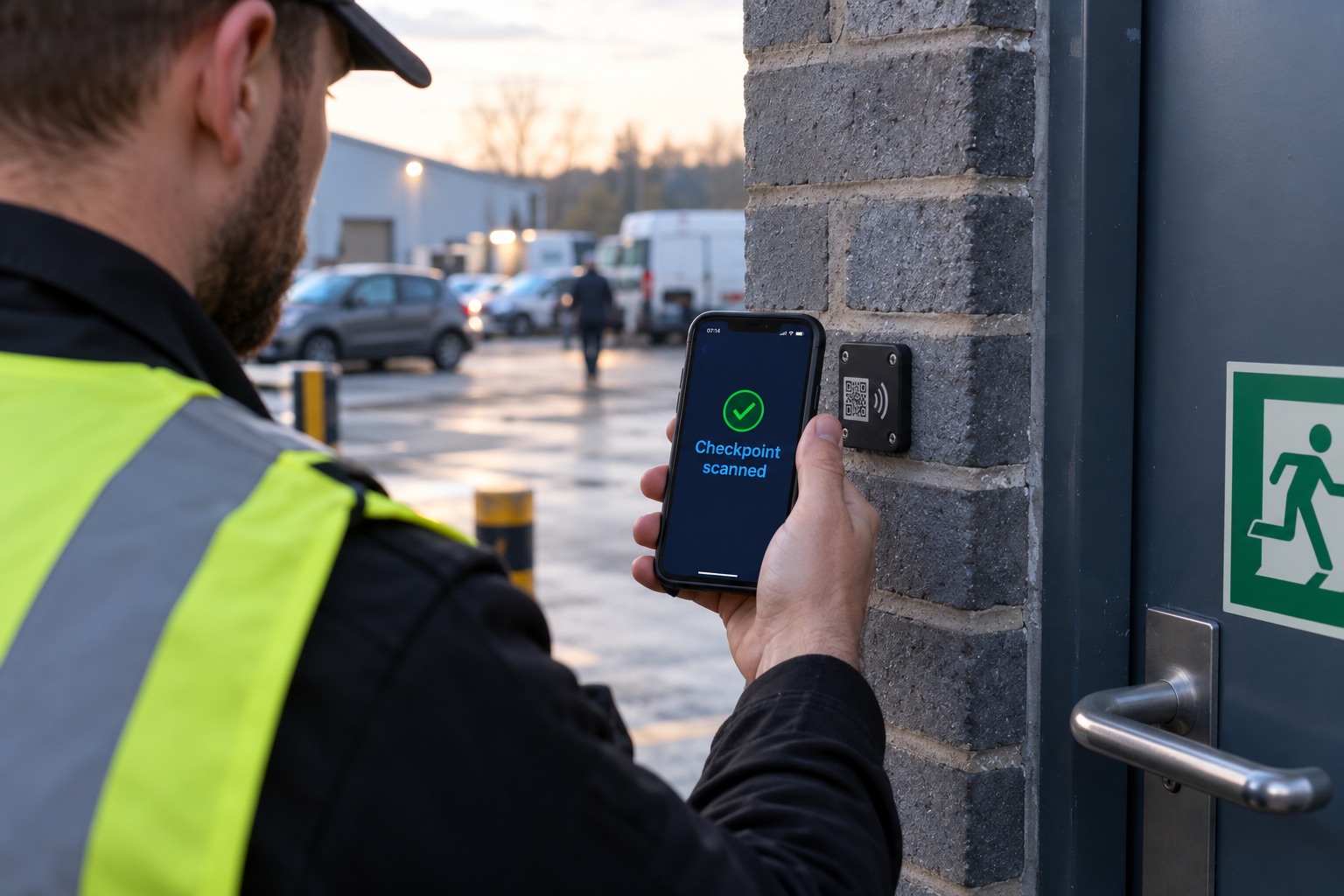
The system's patrol route verification ensures guards follow designated patrol paths. Managers can define required checkpoints and receive alerts if guards deviate from planned routes or miss checkpoints.
Historical location data provides a complete audit trail of guard movements, useful for incident investigations, client reporting, and performance reviews. This data can be exported for compliance purposes or client presentations.
ProRota's GPS tracking respects privacy while providing necessary operational visibility. Guards can see when location tracking is active, and the system includes privacy controls to balance operational needs with staff privacy.
Integration with time and attendance systems means GPS data automatically verifies clock-in and clock-out locations. This prevents time theft and ensures guards are at the correct site when starting shifts.
The platform's live operations dashboard provides a centralized view of all active guards, their locations, and current status. This real-time visibility enables efficient resource allocation and rapid incident response.
For event security, GPS tracking enables coordination of large teams across expansive venues. Managers can see the distribution of security staff and identify areas that need additional coverage.
The system's analytics features analyze location data to identify patterns, optimize patrol routes, and improve coverage efficiency. These insights help security companies operate more effectively while reducing costs.
ProRota's GPS tracking is battery-efficient, using intelligent location sampling to minimize impact on device battery life. This ensures guards can work full shifts without worrying about their phone running out of power.
Offline capability means location data is stored locally when connectivity is poor, automatically syncing when connection is restored. This ensures continuous tracking even in areas with limited mobile coverage.
The platform's alert system notifies managers of unusual patterns, such as guards remaining stationary for extended periods or moving outside expected areas. These alerts enable proactive management and rapid response to potential issues.
Integration with incident reporting means location data is automatically attached to incident reports, providing context and evidence for investigations. This comprehensive documentation supports compliance and client reporting requirements.
ProRota's GPS tracking enhances accountability and transparency, providing clear evidence of guard presence and activity. This visibility builds trust with clients and supports accurate billing based on verified presence.
The future of security operations is location-aware, data-driven, and safety-focused. ProRota's GPS tracking technology provides the foundation for modern security management, enabling companies to operate more efficiently while ensuring the safety and accountability of their staff.